Table of Contents
- Massachusetts Home Selling
- Which Areas in Massachusetts Offer the Best Return on Investment and Are Easiest for Residential Property Development?
- What Home Styles, Sizes, and Features Tend to Sell Fastest in the Massachusetts Market?
- What Should Home Sellers Know About Zoning Laws, Permits, and Regulatory Requirements in Massachusetts?
- Which Towns or Cities in Massachusetts Are Easiest, and Hardest, When It Comes to Navigating Real Estate Regulations?
- What Are the Most Effective Flipping and Resale Strategies for Maximizing Profit in Massachusetts' Housing Market?
- How Should Sellers Price Their Homes to Attract Buyers While Maximizing Value in Massachusetts?
- Which Key Economic, Social, and Regulatory Factors Are Driving Current Trends in Massachusetts' Local Property Markets?
Massachusetts Home Selling

Massachusetts remains a strong and competitive housing market shaped by limited supply, high demand, and robust economic fundamentals. As of November 2025, the median single-family home sale price in the Bay State was $655,000, placing it among the top four most expensive states in the U.S., and well above the national median of $415,200.
Homes in Massachusetts typically sell quickly, spending an average of just 16 days on the market before going under contract. This pace reflects high demand in the New England area, and is significantly faster than the nationwide average of about 29 days to pending.
Slow construction activity in Massachusetts continues to contribute to a shortage of available homes. In 2024, the state recorded about 2 new private housing authorizations per 1,000 residents, placing it well below the national rate of about 4.35 per 1,000, as well as regional peers like Maine and New Hampshire.
The average property tax rate in Massachusetts is approximately 1.11%, above the national average of around 0.90%, but lower than neighboring New Jersey (2.23%), Connecticut (1.92%), and New York (1.60%). This makes property taxes a sizable but manageable cost for homeowners in the state.
Massachusetts sees moderate foreclosure activity, with one foreclosure for every 5,101 homes as of October 2025. This rate puts the Bay State at the number 26 position nationally, reflecting relatively stable employment, solid borrowing profiles, and strong homeowner equity.
Which Areas in Massachusetts Offer the Best Return on Investment and Are Easiest for Residential Property Development?

Massachusetts' thriving economy makes the state an attractive environment for real estate investors. The Bay State is home to leading industries such as healthcare, technology, higher education, and financial services, making it ideal for flippers and buy-and-hold investors. In particular, its metropolitan communities distinguish it as a strong hub for innovative businesses and tech startups. This diversification supports job growth and drives demand for real estate, creating multiple investment opportunities.
Although it continues to dominate the real estate market in the Bay State, Boston, the state's capital and most populous city, may not currently offer the best return on investment (ROI) due to its high entry costs and regulatory complexity. Instead, investors seeking high ROI potential or lower entry costs can consider the following areas:
-
Worcester: As one of Massachusetts' fastest-growing cities, Worcester offers lower entry costs and is benefiting from a growing biotech sector and downtown revitalization, making it attractive for long-term appreciation potential.
-
Somerville: With ongoing revitalization, proximity to Boston, and improved transit access (like the Green Line Extension), Somerville attracts young professionals and offers solid appreciation potential.
-
Rutland: Rutland offers solid ROI potential for real estate investment, with nearly 60% five-year appreciation, affordable home prices, strong local income, and low property taxes making it ideal for residential development.
-
Barnstable: Coastal charm, rising tourism, and second-home demand fuel strong appreciation for real estate investments in Barnstable.
-
Springfield: Low entry prices and high rental yields (estimated 7.5% cap rate) make real estate investment in Springfield ideal for cash flow investors.
-
Sturbridge: With roughly 51% appreciation over five years, strong household income, affordability, and historic charm anchored by Old Sturbridge Village, making it attractive for stable property development.
-
Cambridge: Anchored by MIT and Harvard, Cambridge boasts consistent appreciation and sees year-round demand from quality tenants.
-
Lowell: Lowell is a tech and education hub with rising rents and ongoing urban renewal projects.
-
New Bedford: This South Coast city is transforming waterfront development, focusing on historic preservation efforts and new housing investments, signaling long-term ROI potential.
What Home Styles, Sizes, and Features Tend to Sell Fastest in the Massachusetts Market?

The typical home listed in the Bay State accepted an offer in just 16 days, making Massachusetts one of the fastest-selling states in the country. This trend reflects a combination of strong demand, limited supply, and strong purchasing power among buyers. Massachusetts' housing inventory remains tight, supporting a seller's market with roughly two months of supply.
Though most homes sell quickly in Massachusetts, meeting certain expectations in terms of size, layout, architectural style, and modern features can help accelerate sales speed. Some key characteristics of homes that tend to attract strong buyer interest and faster sales include the following:
-
![]() Bedrooms: Homes with 3-4 bedrooms and a minimum of 2 bathrooms are the most in demand across Massachusetts. These homes are especially popular with growing families in suburban towns such as Shrewsbury, Franklin, Westborough, and Chelmsford, where school districts are strong and neighborhoods are family-friendly. This layout offers a practical balance of space and affordability for most middle-income buyers.
Bedrooms: Homes with 3-4 bedrooms and a minimum of 2 bathrooms are the most in demand across Massachusetts. These homes are especially popular with growing families in suburban towns such as Shrewsbury, Franklin, Westborough, and Chelmsford, where school districts are strong and neighborhoods are family-friendly. This layout offers a practical balance of space and affordability for most middle-income buyers.
-
![]() Size and Lot: Homes ranging from 1,500-2,500 square feet are highly marketable. In suburban markets like Plymouth, Peabody, or Leominster, properties within this size range, especially those sitting on 0.25- to 0.5-acre lots, are seen as manageable yet spacious. Buyers value a functional interior combined with modest outdoor space that allows for gardening, play areas, or entertaining, without the upkeep of larger parcels.
Size and Lot: Homes ranging from 1,500-2,500 square feet are highly marketable. In suburban markets like Plymouth, Peabody, or Leominster, properties within this size range, especially those sitting on 0.25- to 0.5-acre lots, are seen as manageable yet spacious. Buyers value a functional interior combined with modest outdoor space that allows for gardening, play areas, or entertaining, without the upkeep of larger parcels.
-
![]()
Style: Certain architectural styles consistently perform well in the Massachusetts housing market due to both aesthetic appeal and regional tradition.
-
New England Colonials remain timeless favorites, especially in towns with historic charm like Concord, Lexington, and Andover.
-
Cape Cod-style homes, particularly when updated, sell well in South Shore towns and coastal areas such as Barnstable and Falmouth.
-
Updated Victorian cottages often sell quickly in older mill towns like Lowell or New Bedford, where buyers seek character with modern function.
-
Urban condos and townhouses in cities like Boston, Cambridge, and Somerville appeal to young professionals and empty-nesters looking for low-maintenance living.
-
Ranch-style homes are popular in western Massachusetts and some mid-size towns due to their single-level convenience.
-
Craftsman and modern farmhouse designs are gaining popularity, especially in newer developments in towns like Grafton and Southborough.
-
-
![]() Modern Upgrades: Homes that feature open-concept layouts, energy-efficient appliances, and updated bathrooms often attract more interest and spend less time on the market. Fresh neutral paint, modern lighting, and quality flooring are essential to create a move-in-ready impression. In all regions, from Boston condos to rural single-family homes, curb appeal (such as clean landscaping, new exterior paint, or a welcoming entryway) plays a significant role in drawing buyers.
Modern Upgrades: Homes that feature open-concept layouts, energy-efficient appliances, and updated bathrooms often attract more interest and spend less time on the market. Fresh neutral paint, modern lighting, and quality flooring are essential to create a move-in-ready impression. In all regions, from Boston condos to rural single-family homes, curb appeal (such as clean landscaping, new exterior paint, or a welcoming entryway) plays a significant role in drawing buyers.


What Should Home Sellers Know About Zoning Laws, Permits, and Regulatory Requirements in Massachusetts?

Anyone looking to sell a property in Massachusetts must be aware of the local zoning laws, permit requirements, and other regulatory practices that can impact a sale. Understanding these rules and complying with them may affect the seller's chances of maximizing their ROI and avoiding potential delays, penalties, or other transaction issues.
For instance, a zoning or permit compliance letter may be required by prospective buyers, especially developers, to confirm that the property complies with local regulations and is free from violations and other legal issues. In addition, the ability to obtain building permits or occupancy certificates from local authorities may influence financing approval or the decision of a buyer.
In certain parts of Massachusetts, municipalities enforce detailed and highly restrictive zoning ordinances to control growth, preserve neighborhood character, and limit density. Examples include Brookline, Newton, Cambridge, and Somerville.
In contrast to jurisdictions with strict zoning laws, some Massachusetts towns, such as Westfield, Leominster, Rutland, Sturbridge, and non-historic districts in Barnstable County, adopt a more flexible approach to zoning, encouraging development by simplifying review processes for buildings.
Note that certain Massachusetts cities and towns mandate special permits for uses or developments that fall outside of conventional zoning allowances. These permits are only granted after a public hearing and formal approval from a zoning board or planning authority. Special permits are required in some cases in Somerville, Amherst, Lexington, Boston, and Springfield.
Some jurisdictions also require a certificate of occupancy (CO) before the legal occupation or sale of a new construction home or following major renovations or changes in use. Examples include Boston, Worcester, Springfield, and Scituate.
To preserve architectural integrity and the historic feel of an area, exterior changes to buildings in some areas may be subject to review by a historic district commission (HDC). Examples of Massachusetts communities that fall into this category include Salem, Concord, Nantucket, and Springfield.
Which Towns or Cities in Massachusetts Are Easiest, and Hardest, When It Comes to Navigating Real Estate Regulations?

Understanding zoning laws, permitting requirements, and other real estate regulations is crucial to investment success in Massachusetts. Since the regulatory climate varies widely across the state, developers and investors must familiarize themselves with local zoning laws in the city or town where they plan to buy. While some jurisdictions support and streamline development through clear, flexible regulatory laws and procedures, other municipalities establish restrictive by-laws and frameworks. The following information highlights local markets within Massachusetts, arranged by the local regulatory climate and level of development friendliness.
Development-Friendly Areas
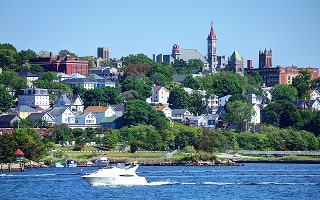
The following municipalities typically have pro-growth policies, zoning flexibility, and efficient permitting processes, making them attractive to investors and residential developers.
- Westfield: Encourages development with minimal bureaucratic procedures and quick permit approvals.
- Leominster: Offers flexible zoning and responsive municipal departments, especially for residential infill.
- Rutland: Has a straightforward zoning code and consistent planning board decisions, making it favorable for residential builders.
- Fall River: Actively promotes new housing and redevelopment projects with local incentives and streamlined permitting.
- Fitchburg: Combines affordability with relatively smooth regulatory navigation and access to state development programs.
- Barnstable: Outside of coastal and historic overlays, zoning laws in Barnstable are relatively permissive and investor-friendly.
Moderately Regulated Areas
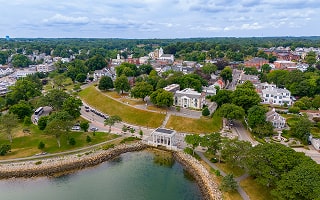
Jurisdictions in this category generally enforce well-meaning land-use standards, but often maintain reasonable approval timelines and predictable procedures. While developers may face some hurdles, the regulatory environment is manageable with proper planning. Examples include:
- Northampton: Enforces zoning codes but supports smart growth and adaptive reuse projects.
- Plymouth: Enforces conservation and design rules but has a clear permitting process and balanced development approach.
- Peabody: Zoning enforcement is moderate, with special permits often required, though approvals are typically prompt.
- Braintree: Moderate oversight of subdivision and zoning variances, though less aggressive than neighboring Boston suburbs.
- Quincy: Requires standard reviews but is generally cooperative with developers, especially near transit hubs.
Highly Restrictive or Bureaucratic Areas

These areas have complex regulations, lengthy approval processes, and in some cases, strong community resistance to new construction or high-density development. As a result, sellers and developers must be prepared for detailed reviews.
- Brookline: Enforces strict zoning and historic preservation rules with multiple layers of public review and resident input.
- Newton: High regulatory standards, zoning overlays, and vocal neighborhood groups often slow approval timelines.
- Cambridge: Detailed zoning, environmental, and architectural controls require careful compliance and public outreach.
- Lexington: Strong planning oversight and historic conservation efforts make new development time-consuming.
- Concord: Historic character preservation leads to tight control over land use, materials, and home design changes.
- Somerville: Frequent zoning updates and design review requirements create hurdles for developers.
Regulatory Factors to Watch

The regulatory climate for real estate in Massachusetts plays an important role in how easy it is to develop, renovate, or flip a property. Since laws vary from one municipality to another, developers and sellers should recognize that what works in one community may not work in another. Understanding local regulatory factors may help home sellers, developers, and investors make informed decisions, avoid legal or financial setbacks, and improve ROI.
The table below outlines the major regulatory climate factors impacting real estate in Massachusetts and where they commonly appear across the state:
Factor |
Impact on Development |
Where It's Found |
|---|---|---|
Zoning Flexibility |
Determines the ease of land use |
Worcester, Springfield, Lowell, Westfield, Leominster, Rutland, and Fall River |
Historic Preservation Laws |
Adds restrictions |
Salem, Concord, Brookline, Nantucket, Cambridge, and Hingham |
Wetlands/Conservation |
Limits buildable land |
Plymouth, Amherst, Sudbury, Cape Cod towns, Haverhill, Marshfield, and Scituate |
Inclusionary Zoning |
Requires affordable units |
Boston, Cambridge, Somerville, Newton, and Brookline |
Building Code Enforcement |
Affects cost/speed |
Worcester, Springfield, Boston, Amherst, Newton, and Lexington |
Local Politics/NIMBYism* |
Blocks or delays projects |
Brookline, Lexington, Newton, Arlington, Winchester, Rockport, Wrentham, and Cambridge |
*NIMBYism - Not in My Backyard
What Are the Most Effective Flipping and Resale Strategies for Maximizing Profit in Massachusetts' Housing Market?

Using strategies that align with current market conditions plays an important role in maximizing profits from house flipping in Massachusetts. These strategies must consider factors such as high buyer demand in commuter towns like Framingham and Lowell, limited housing inventory in Boston's urban core, and growing interest in more affordable suburbs like Worcester and Fitchburg. Proven home flipping methods that may be suitable for the Massachusetts property market include:
-
![]()
Targeting Distressed or Foreclosed Homes: Search for foreclosed, probate, or distressed properties in areas such as Greater Boston (including Dorchester and Revere), Worcester, and Springfield. These types of properties are often sold below market value, providing an opportunity to apply the 70% rule to help ensure a profitable investment.
-
![]()
Using the 70% Rule: In Massachusetts' high-cost real estate markets, such as Boston and Cambridge, it's important to avoid overpaying for investment properties. A common strategy is to pay no more than 70% of the property's after-repair value (ARV), minus estimated renovation costs.
-
![]()
Wholetailing for Speed: In fast-moving markets such as the Boston suburbs or Worcester, minimal "wholetail" renovations, such as basic cosmetic updates and staging, can help resell a property quickly, lowering carrying costs.
-
![]()
Building Strong Deal Pipelines with Lead Generation: This strategy is about developing reliable channels, potentially through networking, direct mail, wholesalers, and MLS alerts, to consistently source properties. It's particularly effective in expanding markets like Springfield, Worcester, and Central Massachusetts.
-
![]()
Using Creative and Seller Financing: By negotiating with property owners to secure flexible financing terms, especially in areas with older homeowners and high equity, such as Middlesex or Norfolk counties, you can close deals faster, avoid traditional bank loans, and cut costs and time.
-
![]()
Targeting FHA 203(k) Buyers: For entry-level flips in areas like Worcester or Springfield, consider marketing properties that qualify for FHA 203(k) loans. These loans attract buyers looking to bundle purchase and renovation costs with low down payment options, helping widen your buyer pool and reduce holding time.
-
![]()
Investing in Staging and Strategic Pricing: Effective staging, particularly in kitchens and bathrooms, combined with listing properties in the spring, may lead to quicker sales and potential price premiums of 4%-8%. This approach is especially useful in competitive markets such as Cambridge and Boston.


How Should Sellers Price Their Homes to Attract Buyers While Maximizing Value in Massachusetts?

While all sellers want to maximize property value, they must consider certain factors that balance their own interests while attracting buyers and maintaining realistic expectations. Whether selling in Boston, Worcester, Cape Cod, or a small town like Rutland, choosing the right pricing strategy may determine how quickly a home sells, as well as the sale price. Sellers should consider working closely with a local real estate agent or licensed appraiser to review comparable properties, especially those sold, pending, or active within the last 90 days, to get a realistic feel for the market.
Some common pricing strategies used by home sellers in Massachusetts include the following:
-
![]() Pricing Just Below Below Market Thresholds: In competitive towns like Chelmsford, Braintree, and Peabody, pricing a home just under a round number, such as $599,000 instead of $600,000, draws more online views and open house traffic. This strategy is effective for entry-level homes where buyer sensitivity to pricing is high.
Pricing Just Below Below Market Thresholds: In competitive towns like Chelmsford, Braintree, and Peabody, pricing a home just under a round number, such as $599,000 instead of $600,000, draws more online views and open house traffic. This strategy is effective for entry-level homes where buyer sensitivity to pricing is high.
-
![]() Charm Pricing (Psychological Pricing): This method involves using odd-numbered pricing, such as $399,900 instead of $400,000, to create the impression of a deal without significantly reducing the actual price. It works well in mid-tier and suburban markets like Shrewsbury, Westfield, or Sturbridge, where buyers are influenced by perceived value.
Charm Pricing (Psychological Pricing): This method involves using odd-numbered pricing, such as $399,900 instead of $400,000, to create the impression of a deal without significantly reducing the actual price. It works well in mid-tier and suburban markets like Shrewsbury, Westfield, or Sturbridge, where buyers are influenced by perceived value.
-
![]() Pricing to Create a Bidding War: In seller's markets, particularly in areas with top-rated schools, such as Lexington, Boston, and Newton, pricing slightly below market value may trigger multiple offers. This method generates urgency and often leads to offers well above asking, especially when the property is well-staged and move-in ready.
Pricing to Create a Bidding War: In seller's markets, particularly in areas with top-rated schools, such as Lexington, Boston, and Newton, pricing slightly below market value may trigger multiple offers. This method generates urgency and often leads to offers well above asking, especially when the property is well-staged and move-in ready.
-
![]() High-Anchor Pricing (Test the Waters): For unique or luxury homes in towns like Concord, Wellesley, or Marblehead, sellers may choose to price at the upper end of the estimated market range. This allows room for negotiation but must be backed by desirable features, quality updates, and a prime location to justify the higher price.
High-Anchor Pricing (Test the Waters): For unique or luxury homes in towns like Concord, Wellesley, or Marblehead, sellers may choose to price at the upper end of the estimated market range. This allows room for negotiation but must be backed by desirable features, quality updates, and a prime location to justify the higher price.
-
![]() Price-Per-Square-Foot Benchmarking: In condo developments and uniform subdivisions like those found in Worcester, Lowell, or Springfield, pricing based on per-square-foot norms is practical and aligns with buyer expectations. This strategy also helps flippers and investors remain consistent in competitive markets.
Price-Per-Square-Foot Benchmarking: In condo developments and uniform subdivisions like those found in Worcester, Lowell, or Springfield, pricing based on per-square-foot norms is practical and aligns with buyer expectations. This strategy also helps flippers and investors remain consistent in competitive markets.
-
![]() Appraisal-Backed Pricing: For homes targeting FHA or VA loan buyers, common in areas like Fall River, Chicopee, and Fitchburg, pricing close to the expected appraised value may be a smart decision. This helps home sellers avoid delays or failed closings due to appraisal gaps, particularly in entry-level or renovated homes.
Appraisal-Backed Pricing: For homes targeting FHA or VA loan buyers, common in areas like Fall River, Chicopee, and Fitchburg, pricing close to the expected appraised value may be a smart decision. This helps home sellers avoid delays or failed closings due to appraisal gaps, particularly in entry-level or renovated homes.
-
![]() Net-to-Seller Pricing: In areas with higher transaction costs or taxes, such as Boston or Cambridge, sellers may prefer to calculate their asking price based on their net proceeds after fees, agent commissions, and potential concessions. This approach ensures they meet financial goals while staying competitive with their pricing.
Net-to-Seller Pricing: In areas with higher transaction costs or taxes, such as Boston or Cambridge, sellers may prefer to calculate their asking price based on their net proceeds after fees, agent commissions, and potential concessions. This approach ensures they meet financial goals while staying competitive with their pricing.
-
![]() Urgency Pricing (Motivated Seller Strategy): For distressed property sales, such as pre-foreclosures, estate liquidations, or divorce-related listings, pricing aggressively low in markets like New Bedford, Lawrence, or Holyoke helps attract cash buyers and speed up the transaction.
Urgency Pricing (Motivated Seller Strategy): For distressed property sales, such as pre-foreclosures, estate liquidations, or divorce-related listings, pricing aggressively low in markets like New Bedford, Lawrence, or Holyoke helps attract cash buyers and speed up the transaction.


When considering these strategies, sellers should tailor their pricing approach to the specific market dynamics of their municipality. The table below shows a typical matching strategy in specific market conditions:
Market Condition |
Best Strategy |
|---|---|
Seller's Market |
Underpricing for a bidding war |
Buyer's Market |
Charm pricing or net-to-seller |
Unique, luxury home |
High-anchor + value justification |
Entry-level home |
Just below threshold |
Urgent sale needed |
Aggressive urgency pricing |
Flipper or investor listing |
Appraisal-backed or price-per-square-foot |
Which Key Economic, Social, and Regulatory Factors Are Driving Current Trends in Massachusetts' Local Property Markets?

Trends in Massachusetts' local property markets are typically shaped by a combination of economic, social, regulatory, and fiscal factors. Understanding these factors and their interplay may help real estate investors, developers, and homeowners anticipate when and where demand will rise or supply will drop.
![]() Economic Factors
Economic Factors
 Economic Factors
Massachusetts benefits from a robust labor market, with sectors such as technology, education, and healthcare drawing high-income professionals to urban centers and keeping home prices elevated. Despite rising housing demand, new construction has not kept pace. Building in the Bay State remains sluggish, with fewer new housing authorizations per 1,000 residents than the national rate and neighboring states, sustaining a tight supply in areas like Greater Boston and Gateway Cities.
![]() Demographic and Social Factors
Demographic and Social Factors
 Demographic and Social Factors
Ongoing urbanization draws young professionals to Cambridge, Somerville, and the Seaport District, while suburban and exurban migration trends, driven by remote-work flexibility, boost markets in Plymouth County and the Merrimack Valley. Aging populations in towns such as Concord and Lexington also increased demand for low-maintenance housing and age-in-place renovations.
Cultural preferences for historic architecture sustain strong interest in colonial and Victorian homes in Salem and New Bedford, while growing diversity in cities like Springfield creates demand for both rental apartments and multifamily properties.
![]() Regulatory and Legal Framework
Regulatory and Legal Framework
 Regulatory and Legal Framework
Local zoning laws and land-use regulations vary significantly and may influence current trends in local property markets in the state. Cambridge and Brookline enforce inclusionary zoning and height restrictions, tempering new supply in urban cores. By contrast, development-friendly towns such as Westfield and Rutland adopt more flexible bylaws, accelerating permit approvals. Neither statewide rent control nor vacancy control is permitted under Massachusetts law, but several municipalities impose local occupancy limits and special permit requirements, which influence where and how investors pursue multi-unit projects.
![]() Taxation and Fiscal Policy
Taxation and Fiscal Policy
 Taxation and Fiscal Policy
Massachusetts imposes a moderate real estate transfer tax and maintains a moderate property tax rate that's slightly higher than the national average (though various exemptions can help offset these costs). Homebuyers may use residential property tax credits for lead paint, solar, and septic work, while the Massachusetts Historic Rehabilitation Tax Credit can offset the costs of historic renovations. Capital gains on property sales are taxed at the state's personal income rates, which may affect investor timing. In addition, the state recently introduced a new withholding requirement for non-residents who sell or exchange real estate for $1,000,000 or more.
![]() Housing Policy and Government Programs
Housing Policy and Government Programs
The state's Housing Choice Initiative provides planning grants and technical assistance to cities that streamline local zoning for housing production. MassHousing and the Executive Office of Housing and Livable Communities (formerly the Department of Housing and Community Development) offer low-interest loans and down payment assistance to first-time buyers, helping boost markets in Gateway Cities like Lynn and Brockton. Public-private partnerships, such as the redevelopment of former mill sites in Lowell, also demonstrate how government programs may support large-scale mixed-income developments.
![]() Infrastructure and Development Trends
Infrastructure and Development Trends
 Infrastructure and Development Trends
Major investments in transit, including South Coast Rail and MBTA (Massachusetts Bay Transportation Authority) upgrades, expand the commuter shed and raise property values in towns like New Bedford and Framingham. Road improvements on Route 3 and I-495 support industrial parks and logistics hubs, indirectly lifting nearby residential demand. In addition, utility-scale renewable energy projects and broadband expansion in rural areas further open up second-home and telecommuting markets in western Massachusetts.
![]() Market Sentiment and Investor Behavior
Market Sentiment and Investor Behavior
 Market Sentiment and Investor Behavior
Current trends in Massachusetts property markets are impacted by sentiment and investor behavior. The housing market in the state continues to experience a persistent shortage of inventory, with the available supply of homes lasting less than two months at the current sales pace. This limited supply, combined with quick sales, creates a heightened sense of urgency among buyers and often results in competitive bidding situations, particularly in high-demand communities.
Institutional investors also remain active in acquiring small- to mid-sized single-family homes in suburban areas for use as rental properties. Meanwhile, local independent investors, often referred to as "mom-and-pop" flippers, focus on purchasing and renovating distressed properties in cities such as Springfield and Fall River.
Massachusetts remains one of the most expensive markets in the U.S., with tight supply and strong demand keeping prices high. With a median household income of $113,900, Massachusetts consistently ranks among the wealthiest states in the nation. In addition, its economy ranked number one among all states, anchored by healthcare and life sciences, education, tech, and finance.
While median home prices are higher than in most other states, investors and developers can capitalize on the state's strong economy and high demand from buyers and renters. Since zoning laws are regulated by cities and towns, investors should always understand local regulatory requirements, adjusting their investment strategies and timelines appropriately.
Table of Contents
- Massachusetts Home Selling
- Which Areas in Massachusetts Offer the Best Return on Investment and Are Easiest for Residential Property Development?
- What Home Styles, Sizes, and Features Tend to Sell Fastest in the Massachusetts Market?
- What Should Home Sellers Know About Zoning Laws, Permits, and Regulatory Requirements in Massachusetts?
- Which Towns or Cities in Massachusetts Are Easiest, and Hardest, When It Comes to Navigating Real Estate Regulations?
- What Are the Most Effective Flipping and Resale Strategies for Maximizing Profit in Massachusetts' Housing Market?
- How Should Sellers Price Their Homes to Attract Buyers While Maximizing Value in Massachusetts?
- Which Key Economic, Social, and Regulatory Factors Are Driving Current Trends in Massachusetts' Local Property Markets?